 Skip to content



The digital economy is booming, and 2026 presents unprecedented opportunities for aspiring entrepreneurs to build profitable online businesses. Whether you’re looking to escape the 9-to-5 grind, create additional income streams, or build a scalable empire, starting a digital business offers flexibility, low overhead, and global reach that traditional businesses simply can’t match. This comprehensive guide will walk you through everything you need to know to launch and grow a profitable digital business in 2026.
Why 2026 Is the Perfect Time to Start a Digital Business
The digital landscape has matured significantly, creating ideal conditions for new entrepreneurs. Advanced tools have become more accessible and affordable, artificial intelligence is democratizing capabilities that once required large teams, and global internet penetration continues to expand your potential market. Consumer behavior has fundamentally shifted toward digital-first experiences. Remote work normalization means more people are open to online solutions, while digital payment systems have made international transactions seamless. Perhaps most importantly, the barriers to entry have never been lower—you can start many digital businesses with minimal upfront investment.
Step 1: Choose Your Digital Business Model
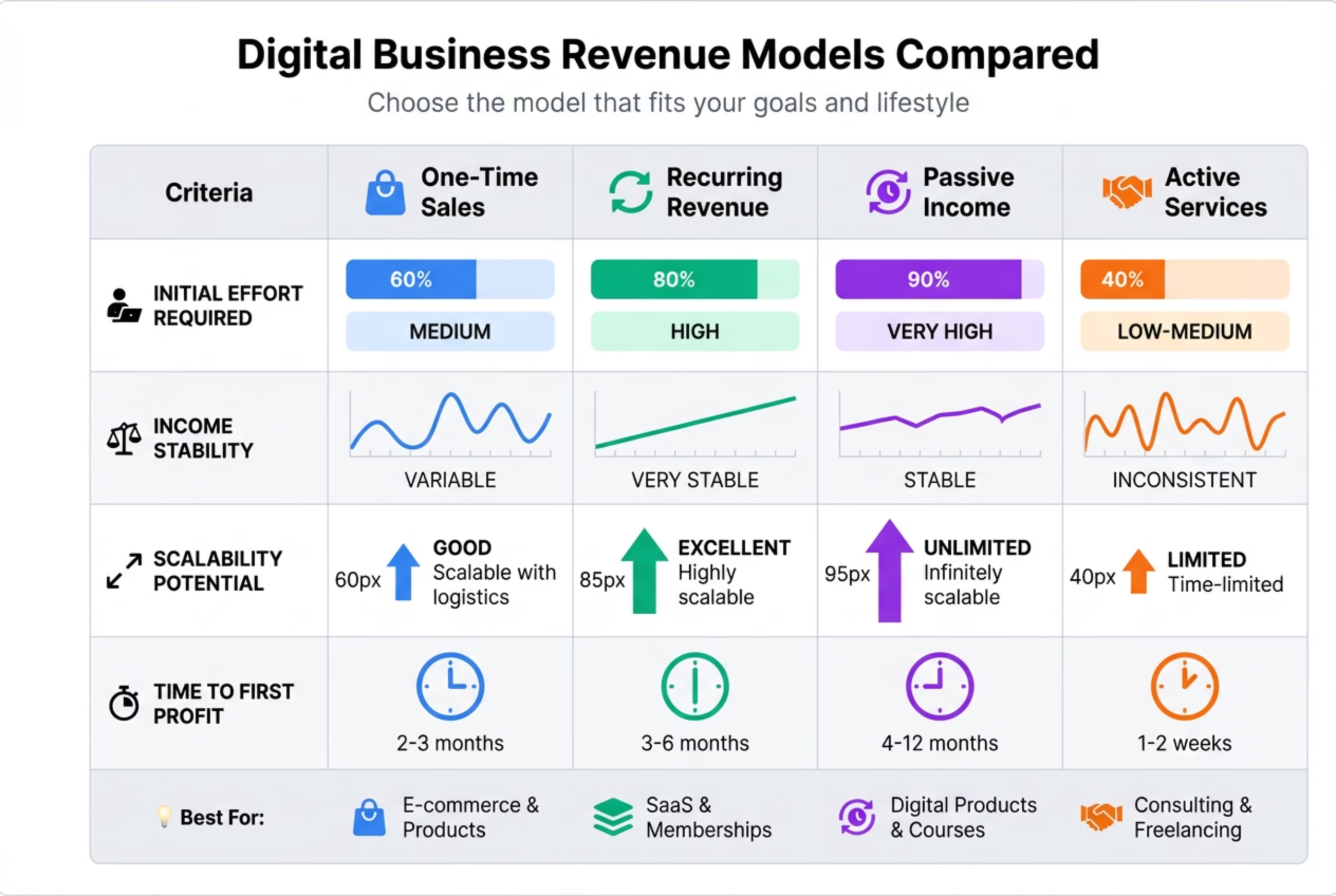
The first critical decision is selecting a business model that aligns with your skills, interests, and goals. Each model has unique advantages and requirements.
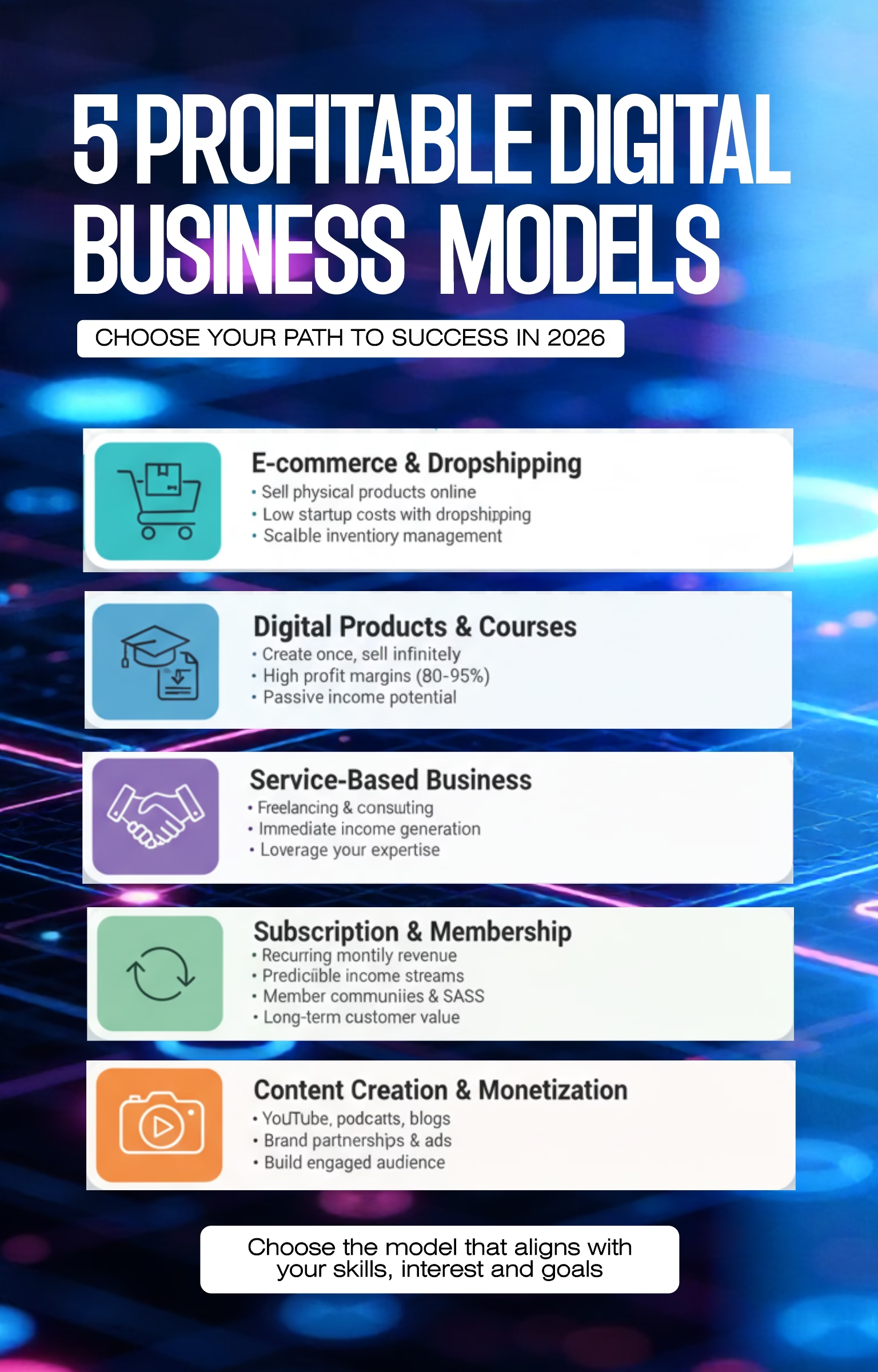
E-commerce and Dropshipping
Selling physical products online remains one of the most straightforward digital business models. With dropshipping, you can start without holding inventory—your supplier ships directly to customers. Alternatively, print-on-demand services let you create custom products without upfront inventory costs. Traditional e-commerce, where you stock and ship products yourself, offers higher margins but requires more capital and logistics management.
Digital Products and Online Courses
Creating and selling digital products offers incredible scalability since you create once and sell infinitely. Popular options include online courses sharing your expertise, e-books and guides on specialized topics, templates and tools for specific industries, software and apps solving particular problems, and stock photos, music, or design assets. The beauty of digital products is their high profit margins and passive income potential.
Service-Based Digital Businesses
Creating and selling digital products offers incredible scalability since you create once and sell infinitely. Popular options include online courses sharing your expertise, e-books and guides on specialized topics, templates and tools for specific industries, software and apps solving particular problems, and stock photos, music, or design assets. The beauty of digital products is their high profit margins and passive income potential.
Subscription and Membership Models
Recurring revenue creates business stability and predictability. Consider membership sites offering exclusive content, software as a service (SaaS) solving ongoing problems, subscription boxes delivering curated products, or online communities providing value and connection.
Content Creation and Monetization
Building an audience through valuable content can lead to multiple revenue streams. Blogging with ad revenue and affiliate marketing, YouTube channels monetized through ads and sponsorships, podcasting with sponsorships and premium content, social media influencing with brand partnerships, or newsletter businesses with paid subscriptions all offer viable paths.
Step 2: Identify Your Niche and Target Audience
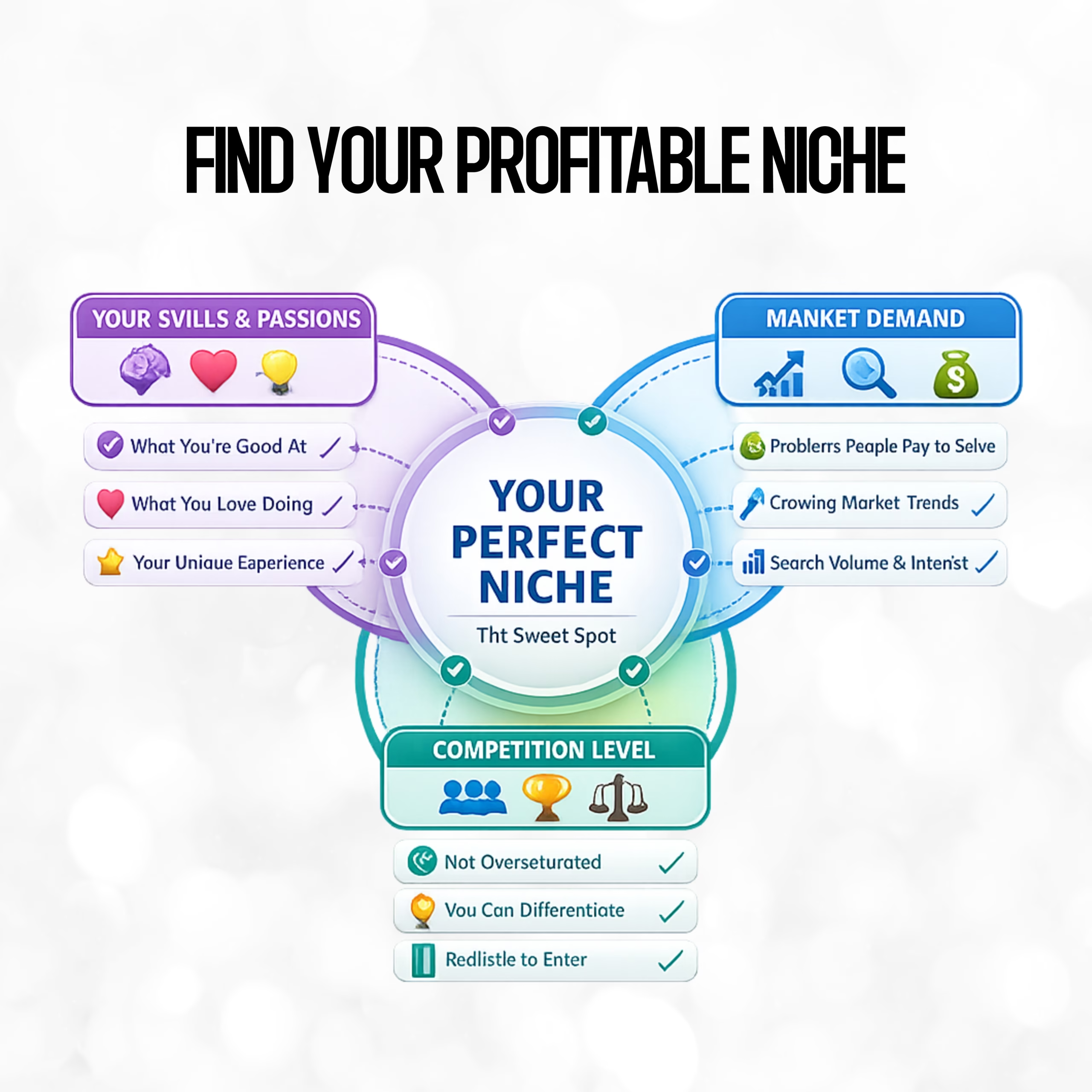
Success in the digital space requires focus. Trying to serve everyone means connecting with no one effectively. Your niche should sit at the intersection of your skills and passions, market demand and profitability, and manageable competition levels. Research your target audience thoroughly. Understand their demographics like age, location, and income level. Dig into psychographics including values, interests, and lifestyle. Identify their pain points, challenges, and frustrations. Discover where they spend time online and what solutions they’re currently using. Use tools like Google Trends to identify growing interests, social media listening to understand conversations and needs, competitor analysis to find gaps in the market, and online communities to observe discussions and problems.
Step 3: Validate Your Business Idea
Before investing significant time and money, validate that people will actually pay for your solution. Start by creating a minimum viable product (MVP)—a basic version that solves the core problem. This could be a simple landing page describing your offer, a prototype or beta version of your product, a pilot program with limited features, or pre-selling before you fully build the product. Gather feedback through surveys and questionnaires, one-on-one interviews with potential customers, beta testing with early adopters, and social media polls and discussions. Look for validation signals like people willing to pay before the product exists, strong engagement with your content and messaging, positive feedback on your concept, and competitors successfully serving the market.
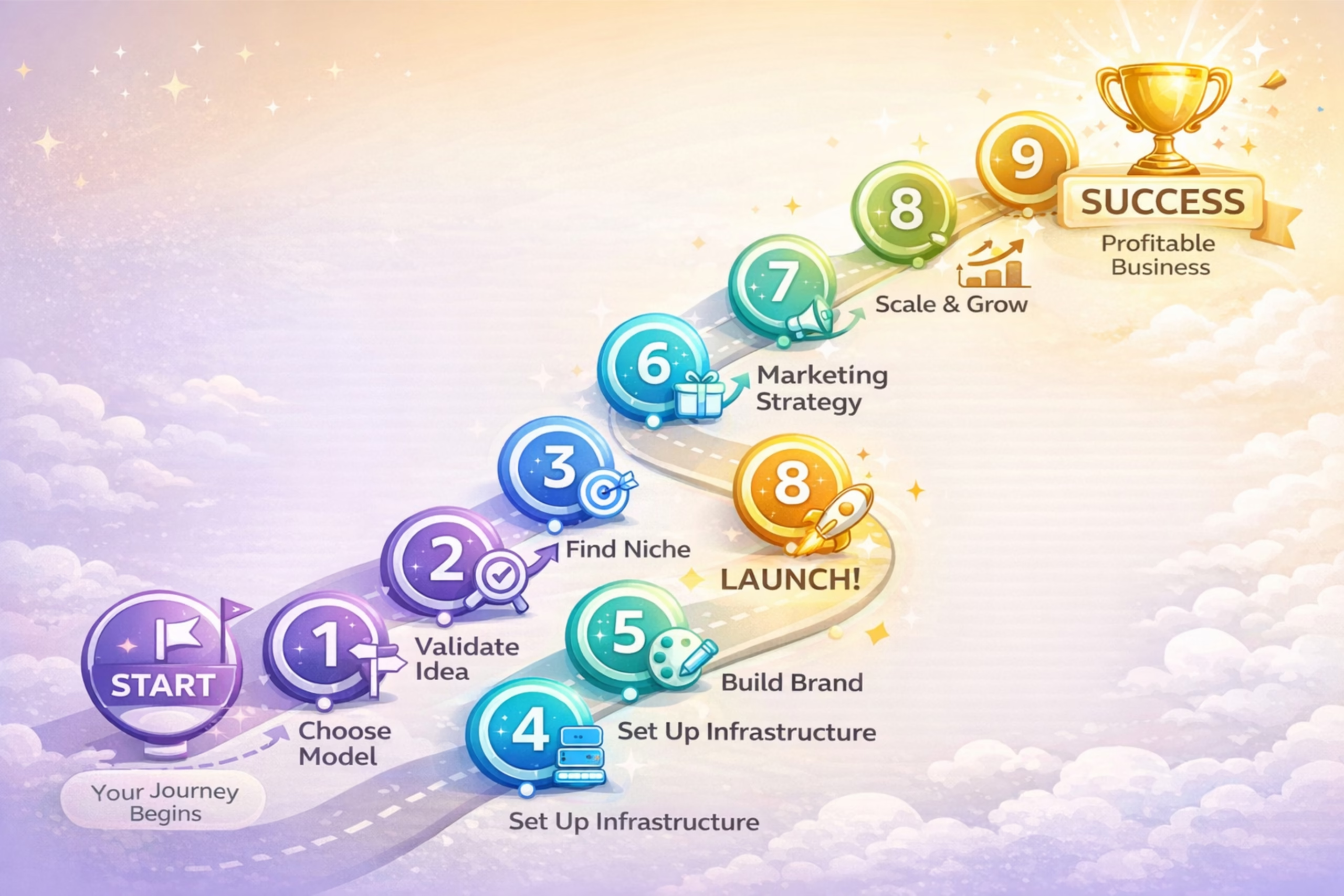
Step 4: Set Up Your Digital Infrastructure
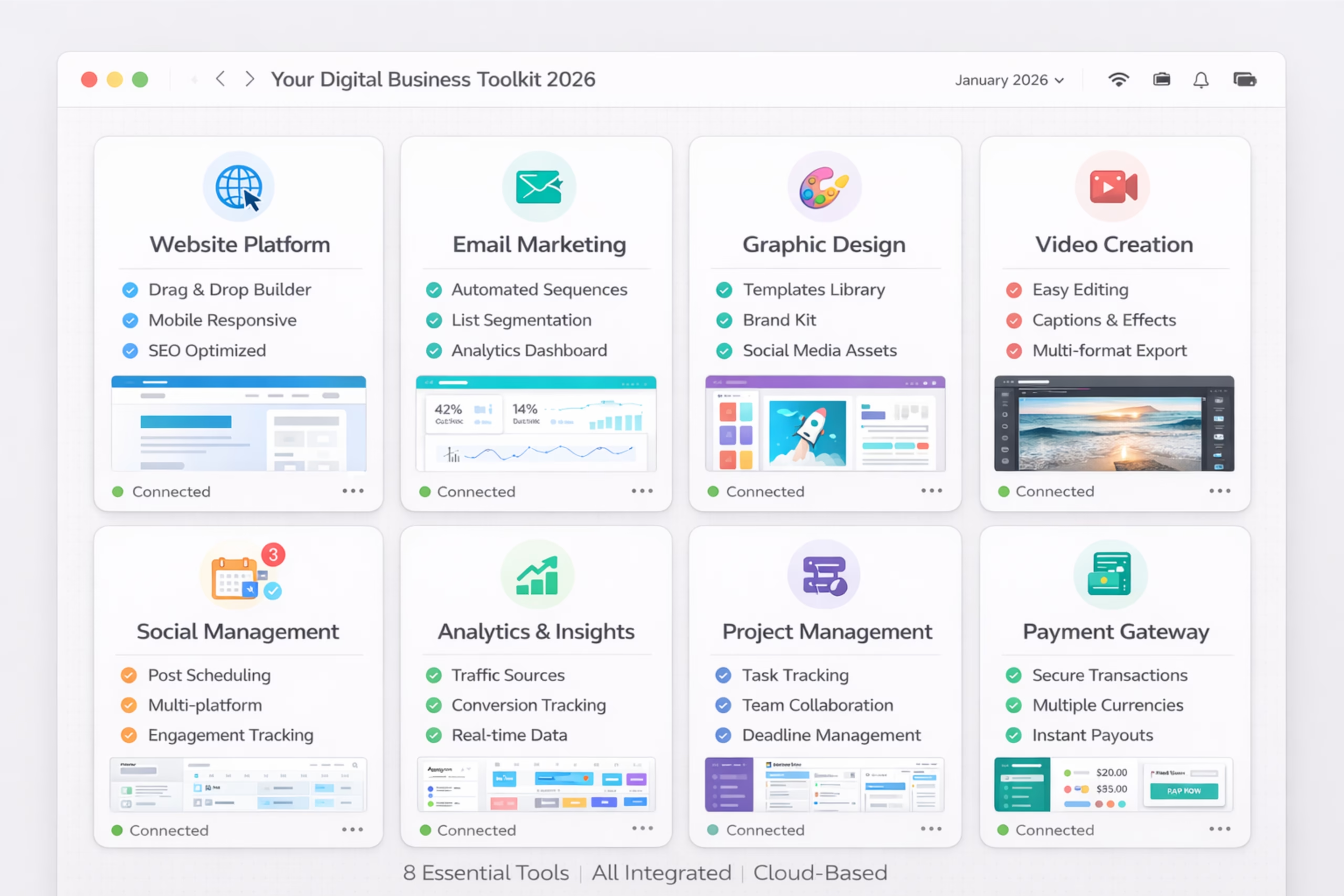
Your digital business needs a solid technical foundation. Register a memorable domain name that’s short, brandable, and includes keywords when possible. Choose reliable web hosting appropriate for your needs—shared hosting for simple sites, managed WordPress hosting for content-heavy sites, e-commerce platforms like Shopify for online stores, or cloud hosting for web applications. Build a professional website that serves as your digital headquarters. Focus on clean, modern design that’s mobile-responsive, fast loading speeds for better user experience and SEO, clear navigation and intuitive user experience, compelling copy that speaks to your audience’s needs, and strong calls-to-action guiding visitors toward conversion. Set up essential business tools including email marketing platforms like Mailchimp or ConvertKit, customer relationship management (CRM) systems, project management tools like Asana or Trello, accounting software like QuickBooks or Wave, and payment processors such as PayPal, Stripe, or Square.
Step 5: Develop Your Brand Identity
Your brand is more than a logo—it’s the complete experience customers have with your business. Define your brand personality and voice. Are you professional and authoritative, friendly and conversational, edgy and bold, or luxurious and aspirational? Create visual brand elements including a professional logo, a cohesive color palette, consistent typography, branded graphics and images, and templates for social media and marketing materials. Craft your brand messaging with a clear value proposition, a compelling brand story, consistent messaging across all platforms, and content that resonates with your target audience.
Step 6: Create Your Offer
Whether you’re selling products, services, or content, your offer must deliver genuine value. Focus on benefits over features—customers care about what your product does for them, not technical specifications. Solve specific problems clearly and effectively. Differentiate yourself from competitors with unique approaches or superior execution. Price strategically by researching competitor pricing, considering your costs and desired profit margins, understanding your audience’s price sensitivity, and testing different price points. Consider offering tiered pricing with basic, premium, and enterprise options, bundles and packages providing more value, limited-time promotions to create urgency, and payment plans making higher-priced items accessible.
Step 7: Build Your Marketing Strategy
Even the best product won’t succeed without effective marketing. Develop a multi-channel approach leveraging content marketing through blogging, video, and podcasting. Use search engine optimization to rank for relevant keywords and attract organic traffic. Engage in social media marketing on platforms where your audience congregates. Implement email marketing to nurture leads and maintain customer relationships. Consider paid advertising through Google Ads, Facebook Ads, or platform-specific options. Build partnerships and collaborations with complementary businesses and influencers. Start with organic strategies if you have limited budget. Create valuable content consistently, engage authentically with your audience, optimize for search engines, leverage social media strategically, and build an email list from day one. As you generate revenue, reinvest in paid advertising and advanced marketing tools.
Step 8: Launch Your Business
Plan a strategic launch that creates momentum. Build anticipation through pre-launch content and teasers. Offer special launch promotions or bonuses for early adopters. Leverage your network by asking friends and family to share. Host a launch event like a webinar or live stream. Follow up immediately with new customers to ensure satisfaction. Track key metrics from day one including website traffic and sources, conversion rates at each funnel stage, customer acquisition cost, average order value, customer lifetime value, and revenue and profit margins. Use tools like Google Analytics, Facebook Pixel, and your e-commerce platform’s analytics.
Step 9: Scale and Grow Your Business
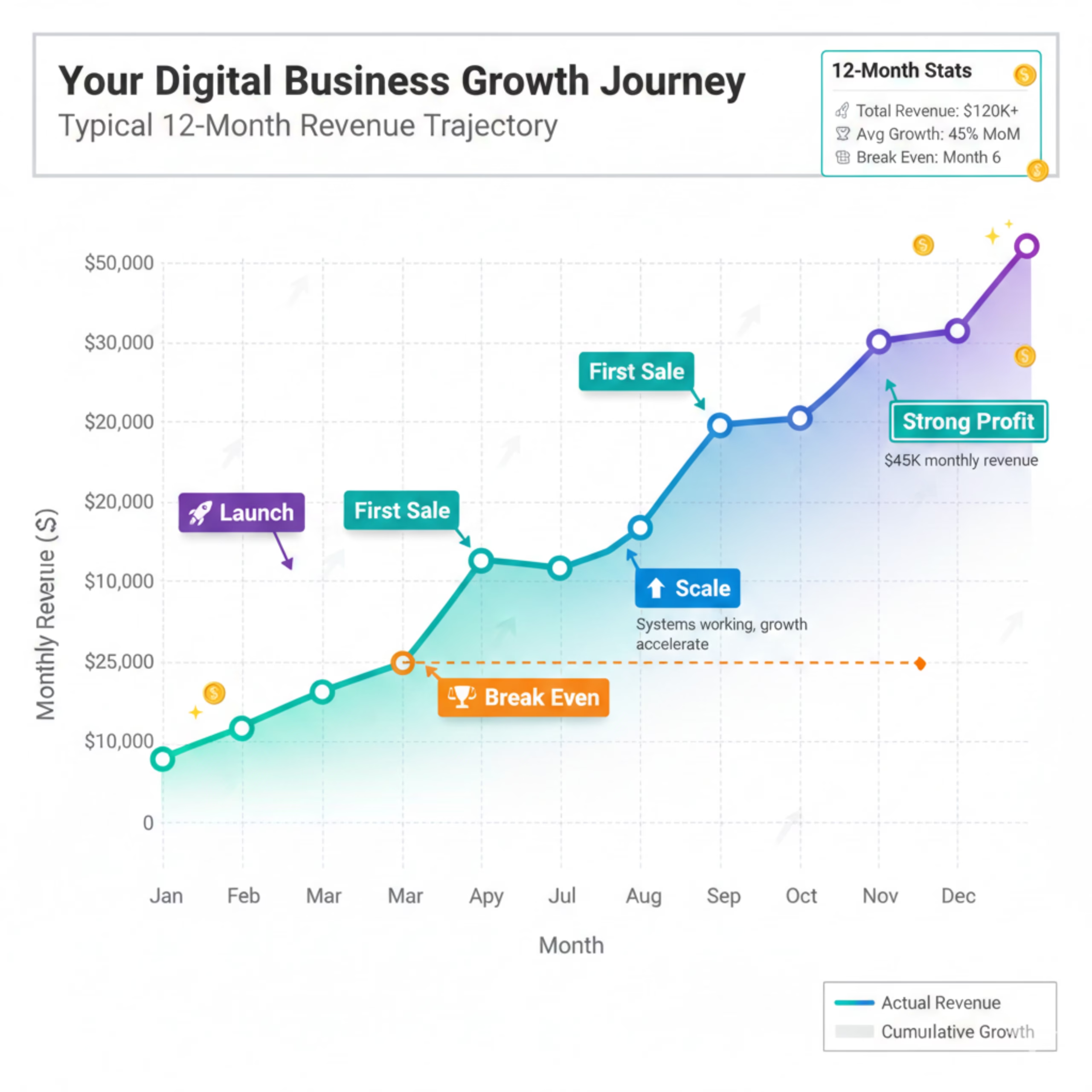
Once you’ve achieved initial traction, focus on sustainable growth. Automate repetitive tasks using tools for email sequences, social media scheduling, customer onboarding, invoicing and payments, and reporting and analytics. Outsource or hire for tasks outside your expertise or that don’t require your personal attention. Expand your offerings by introducing complementary products or services, creating upsells and cross-sells, developing premium or VIP tiers, and entering new markets or niches. Optimize continuously by split testing landing pages and sales copy, improving your conversion funnel, refining your targeting and messaging, and enhancing customer experience. Build systems and processes that allow your business to run without your constant involvement. Document procedures, create standard operating procedures, train team members effectively, and use project management tools to maintain organization.
Step 10: Overcome Common Challenges
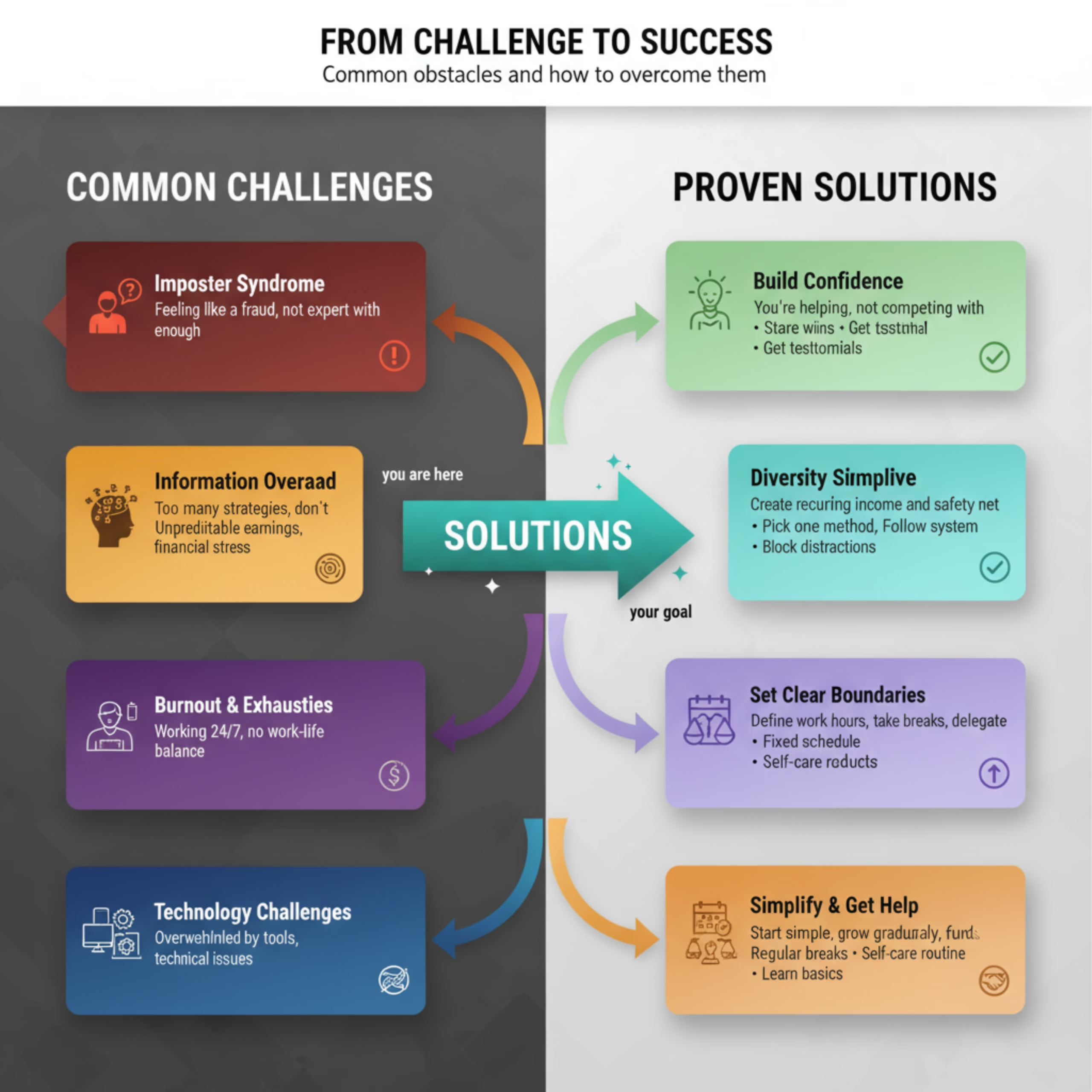
Every digital entrepreneur faces obstacles. Be prepared for these common challenges: Imposter syndrome affects nearly everyone. Remember that you don’t need to be the world’s leading expert—you just need to be ahead of your target audience and genuinely helpful. Information overload is real in the digital space. Focus on mastering one marketing channel before adding another. Follow a proven system rather than chasing every new tactic. Inconsistent income is common early on. Build an emergency fund, diversify income streams when possible, and focus on creating recurring revenue. Burnout happens when you work excessively without boundaries. Set clear work hours, take regular breaks, delegate when possible, and remember why you started your business. Technology challenges can feel overwhelming. Start simple and add complexity gradually. Invest in learning key platforms. Don’t hesitate to hire help for technical tasks beyond your capability.
Essential Tools and Resources for 2026
Equip yourself with the right tools to streamline operations. For website and hosting, consider WordPress, Shopify, Wix, or Squarespace. Email marketing options include Mailchimp, ConvertKit, or ActiveCampaign. Graphic design becomes easy with Canva, Adobe Express, or Figma. Video creation tools like Descript, Camtasia, or CapCut simplify content production. Social media management platforms like Buffer, Hootsuite, or Later keep you organized. Analytics tools such as Google Analytics, Hotjar, or Mixpanel provide insights. Project management solutions like Notion, Asana, or Monday.com keep teams aligned.
Legal and Financial Considerations
Protect yourself and your business by choosing the appropriate business structure, registering your business properly, obtaining necessary licenses and permits, understanding tax obligations, creating terms of service and privacy policies, securing adequate insurance, and protecting your intellectual property. Maintain clean financial records from the start. Separate business and personal finances, track all income and expenses, save for quarterly tax payments, and consider working with an accountant as your business grows.
Final Thoughts: Your Digital Business Journey Starts Now
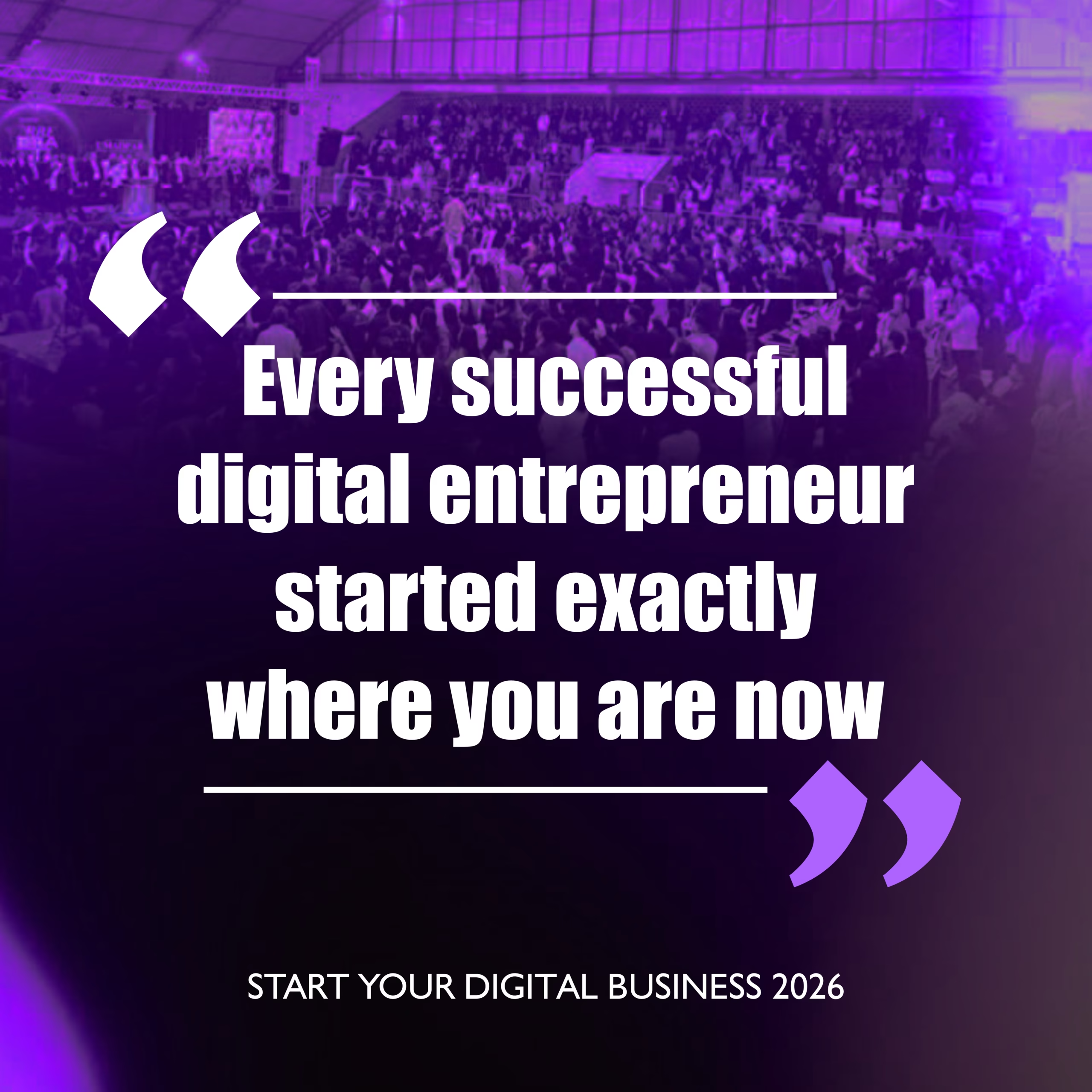
Starting a profitable digital business in 2026 is entirely achievable with the right approach, consistent effort, and willingness to learn and adapt. The opportunities are vast, the tools are accessible, and the potential for success has never been greater. Remember that every successful digital entrepreneur started exactly where you are now—with an idea and the courage to take the first step. You don’t need everything figured out before you begin. You don’t need to be perfect. You just need to start, stay consistent, and keep improving. The digital economy rewards those who take action, provide genuine value, and persist through challenges. Your profitable digital business is waiting to be built. The question is: are you ready to start?
Take the first step today. Choose your model, validate your idea, and begin building the digital business and life you’ve been dreaming about.